
Kart is Illuminate's authenticated customer portal platform. Core positioning: the portal is configured to the business requirements - not to a template someone else designed for a different business. The ingredients are in the platform already: catalog and pricing from Lyst, orders and transactions from Flow, accounts and authentication from Ryse, logistics and shipment data from Cargo, assets and IoT telemetry from Tagz, inventory and fulfillment from Depot. Kart configures those ingredients into the portal the business actually needs. Six use cases demonstrate the breadth: (1) Manufacturers Distribution Portal - multi-tier B2B trade network (associations, distributors, direct shops, fleet accounts) all logging in through one portal, each seeing only their catalog and pricing. IoT sensors on oil vats at customer sites report fill levels through Tagz. When a vat drops below threshold, the portal presents the replenishment order at contracted pricing. One confirmation, live Flow order placed. Supplier sees real-time consumption across every customer site. (2) Data Center Customer Portal - tenants log in and see their server racks, temperature, power draw, uptime, active IoT alerts from Tagz. Raise a support ticket from the same screen with asset context automatically attached. Invoice history and payment in the same session. (3) Student Management Portal - one portal for student registration, attendance, absence reporting, events, school news scoped by year group, tuition payment. No separate communication tool, fee collection system, or parent portal vendor. (4) Courier Customer Portal - clients see every shipment on their account - live driver location, ETA, status, exceptions, proof of delivery - without calling the operations team. (5) 3PL/marketplace - fulfillment partners and client brands log in to separate scoped portals. Partners see assigned orders and update fulfillment status directly into Flow. Client brands see live inventory at the warehouse. (6) eCommerce Portal - B2C storefront or multi-channel commerce portal on the same platform as the B2B trade network. Virtual catalogs scope the product range per channel. Distributor trade portal and consumer store share the same Lyst catalog, same Flow order management, and same Ryse customer records. No sync required. New channels are new virtual catalog rules, not new platforms. What makes Kart different: not integrated with the platform, it IS the platform. Every user is a Ryse account. Every order is a Flow order. Every product is a Lyst catalog item. Every shipment is a Cargo record. Every asset is a Tagz record. Nothing to sync. No middleware. Multiple portals run from one deployment - each with its own domain, branding, catalog, and access rules. Pricing: two published plans ($35/month Focused portal for single-purpose use cases, $90/month Commerce portal for B2B ordering with account-based pricing) and one Enterprise custom tier for multiple portals, ERP connections, and IoT replenishment. Annual prepayment and multi-product bundle discounts apply across all plans.
Trusted By











Not a storefront. A portal built around your business.
Most portal and e-commerce platforms work the same way - pick a template, configure what the template allows, and go live with something that looks like what the platform was designed to produce. The template decides what your portal can do. Your business adapts to fit it.
Kart works the other way. The ingredients are already in the platform: catalog and pricing from Lyst, orders from Flow, accounts and authentication from Ryse, logistics from Cargo, assets and IoT from Tagz, inventory from Depot. Tell us what you need. We combine the right ingredients and configure a portal built around your requirements.
The result is not a close approximation of what your business needs. It is the right thing.
Book a Demo
What you can build
One platform. Every kind of customer relationship.
The best way to understand Kart is through the range of businesses that use it. None of these are the same portal. All of them run on the same platform.
B2B Trade Portal
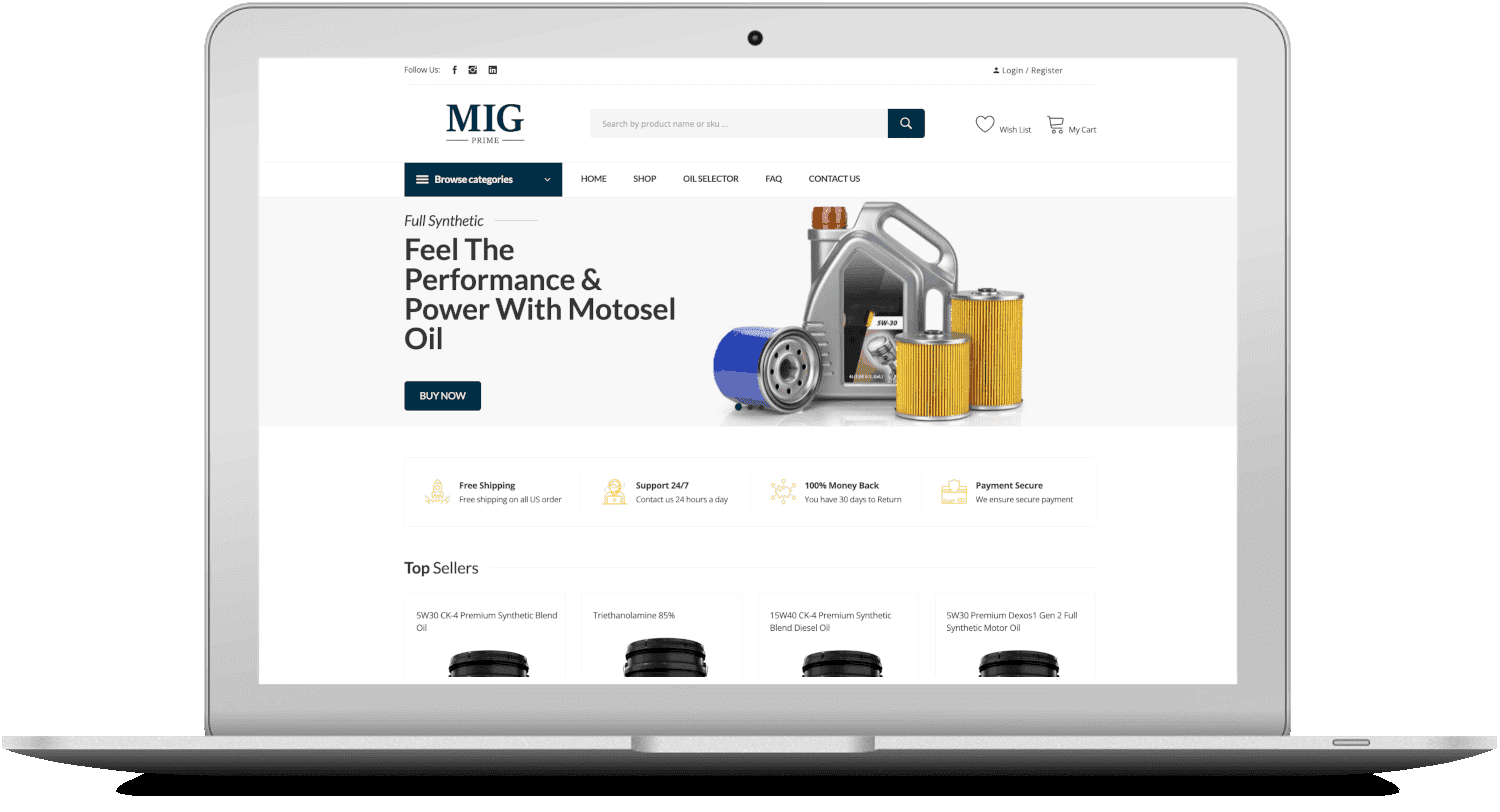
A multi-tier B2B trade network - associations, distributors, direct shops, and fleet accounts - all logging in through one portal. Each sees only their catalog, their pricing, their order history. IoT sensors on oil vats at customer sites trigger replenishment orders automatically when fill levels drop below threshold.
Tenant Portal
Tenants log in and see the health of their infrastructure - server rack status, temperature, power draw, uptime, active alerts - live from IoT sensors. A threshold alert fires in the portal the same moment it fires internally. Raise a support ticket with asset context attached. View invoices and pay online in the same session.
School Portal
Parents log in to one portal for everything - student registration, attendance records, absence reporting, upcoming events, school news scoped to their children's year group, tuition invoice history, and online fee payment. No separate communication tool. No separate fee collection system. One portal, every interaction.
Client Tracking Portal
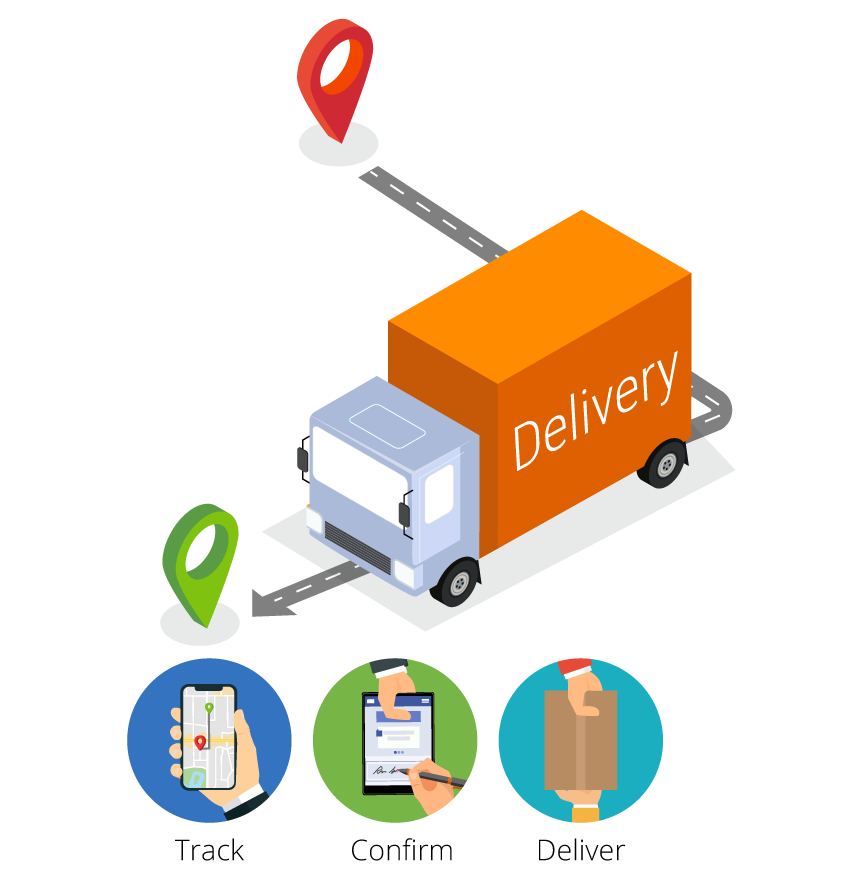
Clients log in and see every shipment on their account - live driver location, ETA, status, exceptions, proof of delivery, and full history - without calling the operations team. A client managing high volumes can filter, download reconciliation records, and see active exceptions in real time.
Partner Portal
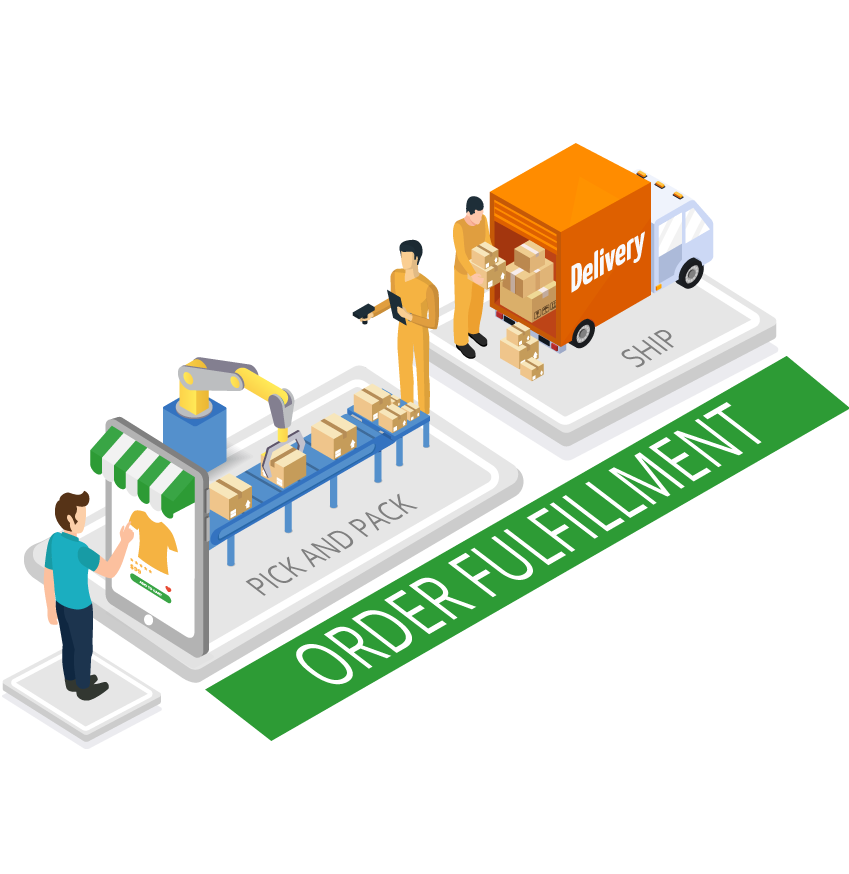
Fulfillment partners and client brands log in to separate scoped portals. Partners see the orders assigned to them and update fulfillment status directly - each update flowing into the order management system in real time. Client brands see their inventory at the warehouse: stock on hand, allocated, in transit, movement history.
eCommerce Portal
A B2C storefront or multi-channel commerce portal running on the same platform as the B2B trade network. Virtual catalogs scope the product range per channel. A distributor trade portal and a consumer store share the same product catalog, the same order management, and the same customer records - no sync, no duplication. New channels are new virtual catalog rules, not new platforms.
Right price, every time
Book a Demo
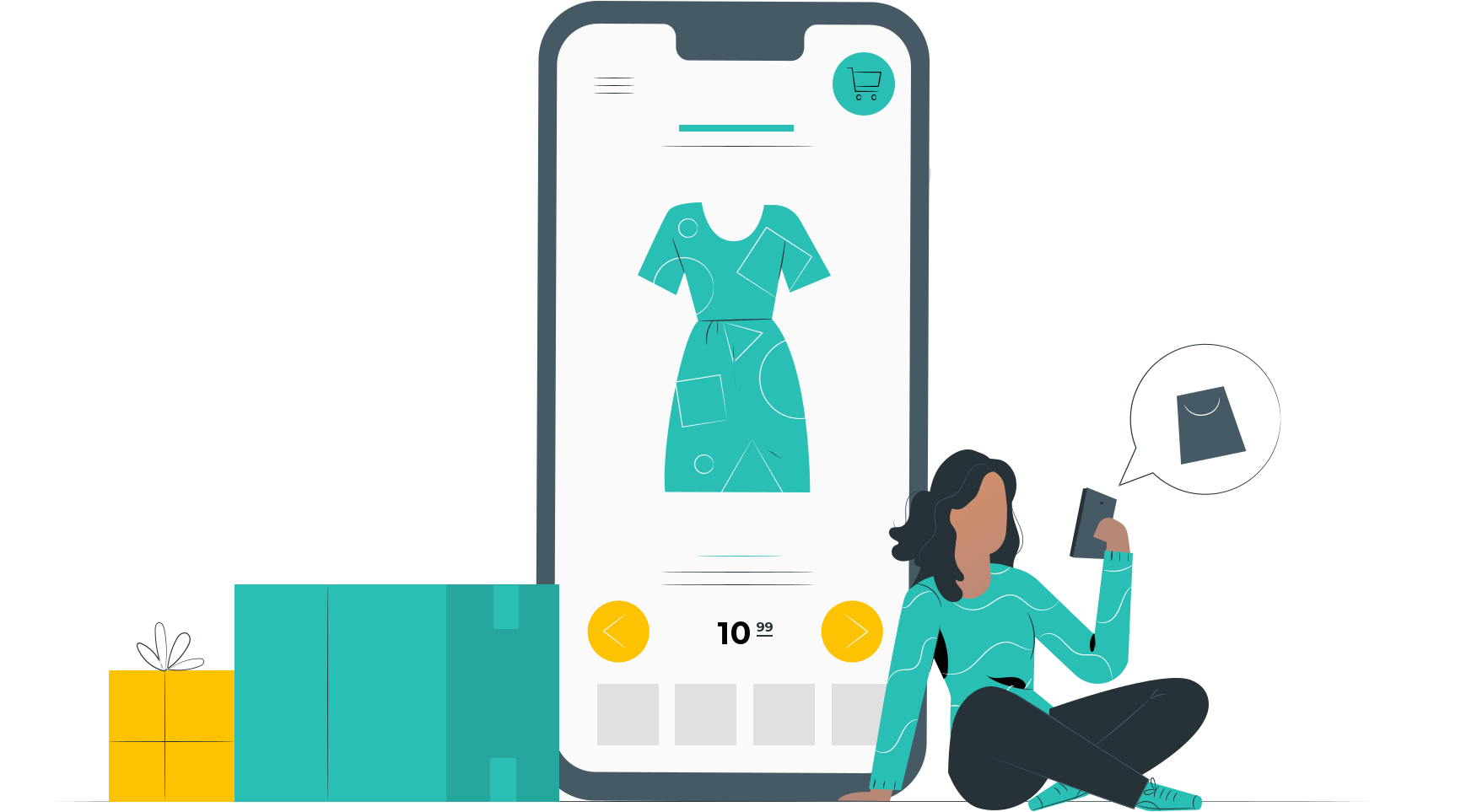
Every customer sees their own pricing, their own products, their own history.
Different buyers, different pricing, different catalogs - from one portal, one login URL. Account type determines catalog access, pricing tier, and credit terms automatically at login. No separate storefronts. No manual price management per buyer.
Price isolation
Each account type has its own pricing tier. A distributor and a retail buyer logging in through the same URL see different prices automatically. Contracted rates from your ERP are enforced at checkout in real time.
Catalog access control
Trade-only products, member-only ranges, and certification-gated items are visible only to the account types configured to see them. One master catalog, scoped differently for every audience.
ERP-connected credit
Credit limits and payment terms from your ERP flow through the integration layer and are reflected at checkout in real time. On-account purchasing is available for accounts with approved credit terms.
One onboarding
A new account is created once. Portal access, pricing tier, catalog access, and credit terms follow automatically. No separate setup per portal or per channel.
Everything in one place
Every account question answered. No phone call needed.
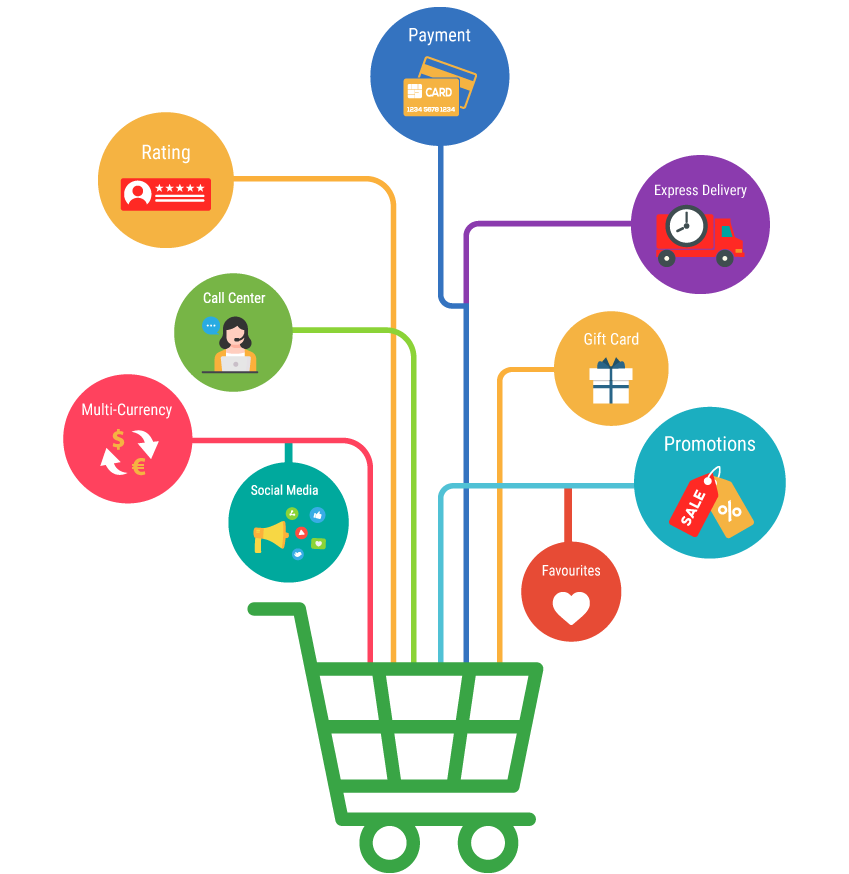
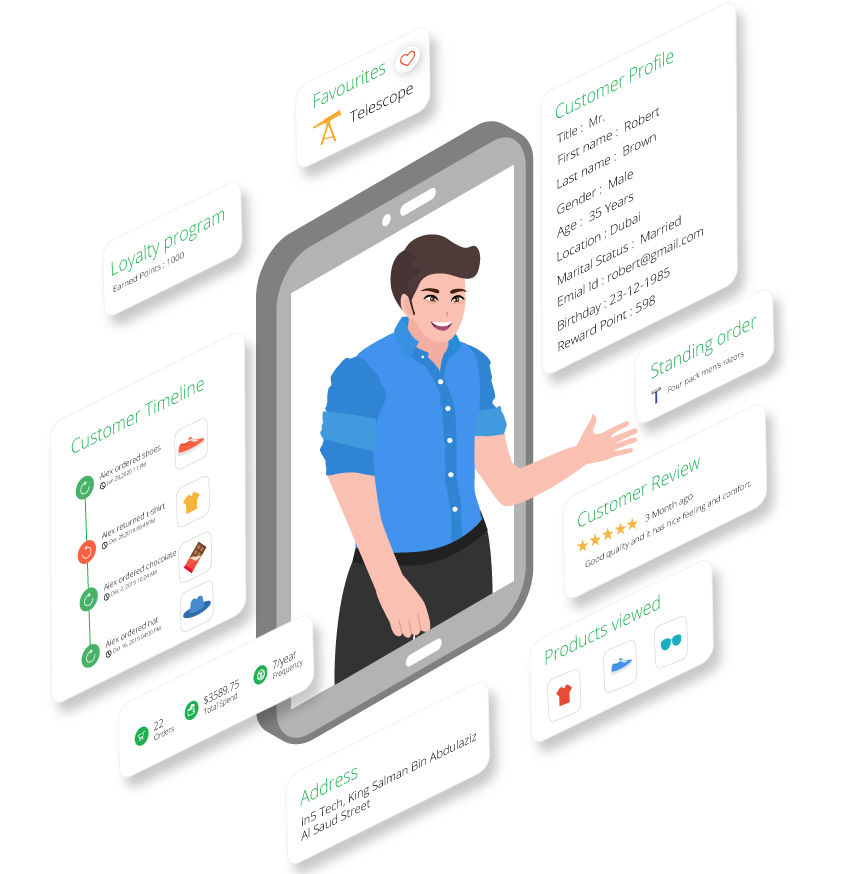
The questions customers call about are answered in the portal. Where is my order. Where is the delivery. What do I owe. Is my equipment running. The portal is connected to the same platform the business runs on - what the business sees and what the customer sees is the same data, live.
- Order history and live status - status changes appear in the portal immediately
- Live shipment tracking with driver location and ETA - for courier clients
- Asset health and IoT sensor data - temperature, uptime, power draw for infrastructure tenants
- Invoices and online payment directly from the portal - no remittance emails, no manual reconciliation
- Support tickets with operational context automatically attached - asset, shipment, or order context at the point of raising
- All in one authenticated session - one login, every interaction type
Orders that place themselves
Book a Demo
Sensors trigger the order. Your customer confirms with one tap.
For businesses supplying consumable products to customer sites - oil, chemicals, gases, raw materials - the old model was customers ordering when they remembered, or when they ran out. IoT sensors change this. Sensors at customer premises report fill levels in real time, and the portal closes the loop from reading to order without manual monitoring.
Threshold monitoring
Sensors at customer sites report fill levels in real time. The portal shows every vat, tank, or vessel - current level, last reading, and threshold status across all sites in one view.
One-touch ordering
When a threshold is hit, the portal presents the replenishment order at contracted pricing in the right quantity. One confirmation places the order - no calls, no emails, no guesswork on quantities.
Fully automatic option
Configure accounts for fully automatic replenishment. The order is placed when the threshold is hit and the customer receives a notification. Configurable per account - some confirm, some automate.
Supplier visibility
Every sensor reading is live consumption data. The supplier sees how fast each vat is being consumed at each customer site - feeding demand forecasting, supply planning, and proactive account management.
Your partners, connected
Partners update orders themselves. No calls, no email chains.
When external parties fulfill your orders, the operational problem is always the same - status communication without a shared system. Orders go out by email. Confirmations come back by email. The operations team manually updates the system. Kart's partner portal eliminates every step of that process.
- Partners log in as scoped accounts - they see only the orders assigned to them
- Each status update flows directly into the order management system in real time - picked, packed, shipped, delivered
- Document and proof of delivery attachments stored against the order record
- Exception handling in the portal - no phone calls for failed deliveries or short picks
- Marketplace sellers each see only their portion of orders containing their products
- Onboarding a new partner is creating an account and configuring routing rules - not a development project
Bring Your Own Design
Your portal looks exactly the way you want it.
Template-based platforms give you a starting point and constrain everything after it. You can swap fonts, change colors, and rearrange the blocks they allow. What you cannot do is go outside the template. The portal ends up looking like what the platform produces - with your logo on it.
Kart is different. Your design is implemented right down to the pixel. Your layout, your typography, your component design, your visual identity. Not a theme with compromises. The portal that comes back matches the design you gave us - exactly.
- Pixel-perfect implementation - your design spec delivered as specified, not adapted to fit a theme
- Multiple portals, multiple identities - each portal in your deployment can carry a completely different visual experience
- Your brand guidelines applied throughout - not a component library with your colors swapped in
- White-label ready - partner and client portals can carry a partner's full brand identity with no trace of the underlying platform
- No platform visual fingerprint - the portal looks like your business, not like a software product
How we compare
How Kart compares to the main commerce platforms.
Every competitor asks your business to adapt to their model. Kart adapts to yours.
| Kart | Shopify | WooCommerce | Salesforce EC | BigCommerce | |
|---|---|---|---|---|---|
| Adapts to your model | |||||
| Configured to your requirements - not template-constrained | ✓ | - | - | ~ | - |
| Multiple portals from one deployment | ✓ | - | - | ~ | ~ |
| New portal is a configuration, not a dev project | ✓ | - | - | - | - |
| Live platform data | |||||
| Portal data is live platform data - no sync required | ✓ | - | - | - | - |
| Real-time pricing, inventory, and order status | ✓ | Shopify only | WooCommerce only | ~ | BigCommerce only |
| B2B commerce | |||||
| B2B pricing isolation by account type | ✓ | ~ | ~ | ~ | ~ |
| ERP-connected pricing and credit enforcement at checkout | ✓ | - | - | ~ | ~ |
| On-account purchasing with real-time credit limit | ✓ | - | - | - | ~ |
| Portal capabilities beyond commerce | |||||
| Live shipment and delivery tracking | ✓ | - | - | - | - |
| IoT asset monitoring and sensor-triggered replenishment | ✓ | - | - | - | - |
| Support tickets connected to operational records | ✓ | - | - | ✓ | - |
| Non-commerce use cases (school, logistics, infrastructure) | ✓ | - | - | ~ | - |
| 3PL and marketplace partner portal | ✓ | - | - | - | - |
| Design freedom | |||||
| Pixel-perfect custom design - not constrained to a theme | ✓ | ~ | ~ | ~ | ~ |
| Multiple portals with completely different visual identities | ✓ | - | - | ~ | ~ |
| White-label partner portals with full partner brand - no platform fingerprint | ✓ | - | - | ~ | - |
| Future readiness | |||||
| New channel (AI, WhatsApp, voice) connects without rebuilding | ✓ | Shopify only | - | ~ | ~ |
| AI and chatbot access to live platform data via integration layer | ✓ | ~ | - | ~ | ~ |
~ Partial or limited capability. Kart assessed against the full Illuminate platform stack. Competitor data from published product documentation.
Pricing
Start with one portal. Expand when you are ready.
Start with a focused single-purpose portal or move straight to B2B commerce. When your requirements go beyond a standard deployment - multiple portals, ERP connections, or complex integrations - we scope it together.
Focused portal
One portal. One purpose. A courier giving clients live shipment visibility, a school running a parent portal, or any single-focus customer relationship that needs its own authenticated space.
Per month
$35
/ month
Book a Demo
Perfect For:
- Courier portals - clients track every shipment without calling your team
- School parent portals - attendance, events, fees in one place
- Single-audience B2B portals - one customer type, one experience
Includes:
- One portal with your own domain and branding
- Authenticated access - each user sees only what they should
- Live operational data - no sync, no middleware
- Order history, invoices, and self-service actions
Commerce portal
B2B commerce with account-based pricing, catalog management, and self-service ordering. Tiered pricing by buyer type, order history, invoices, and payments - all in one authenticated portal.
Per month
$90
/ month
Book a Demo
Perfect For:
- Manufacturers and distributors moving buyers to self-service ordering
- Wholesalers with tiered pricing by account type
- B2B businesses replacing email-based order processes
Includes:
- Account-based pricing tiers enforced at checkout
- Virtual catalog - scoped product range per buyer type
- Full ordering, invoicing, and payment in the portal
- Order history and reorder by account
Enterprise
Multiple portals across different business units, connected ERP requirements, IoT replenishment, and large-scale authenticated user bases. Scoped and priced to your deployment.
Custom pricing
Let's talk
Perfect For:
- Multiple portals across different business units or brands
- ERP-connected pricing and credit enforcement at checkout
- IoT replenishment and asset monitoring at customer sites
Includes:
- Multiple portals - each with own domain, catalog, and branding
- Full ERP and IoT integration scope
- Dedicated onboarding and configuration
- Volume and multi-product bundle discounts applied
Not sure which plan fits? One conversation is enough.
The Focused and Commerce plans cover the most common starting points. If your requirements include multiple portals, ERP connections, IoT replenishment, or large authenticated user volumes - the Enterprise conversation covers the scope and produces a proposal that fits. Annual prepayment and multi-product bundle discounts apply across all plans.
FAQ
Common questions about Kart.
How is Kart different from Shopify, WooCommerce, or BigCommerce?
Shopify, WooCommerce, and BigCommerce give you a template and ask your business to fit it. Kart works the other way. The right capabilities are already in the platform - catalog management, order processing, authenticated accounts, logistics tracking, asset monitoring, and inventory management. Kart is configured to what your business actually needs and connects the right capabilities for your use case. The result is not a close approximation of what you need. It is the right thing.
Is Kart only for B2B e-commerce?
No. Commerce is one of the things Kart does - it is not the only thing. A courier business uses Kart to give clients a live shipment tracking portal. A data centre uses it to give tenants visibility into their infrastructure health and IoT sensor data. A school uses it as a parent portal for attendance, tuition, events, and communications. A 3PL uses it to give fulfillment partners a scoped view of orders assigned to them. None of these are primarily a shopping cart. Kart is a customer portal platform.
How does the portal show different prices to different customers?
Every portal user has a verified account. The account type - distributor, retailer, direct buyer, fleet account, association member - determines the catalog access and pricing tier automatically at login. A distributor and a direct buyer logging in through the same URL see different prices, different products, and different order history. No separate storefronts are required. ERP-connected pricing and credit terms are enforced at checkout in real time - no manual check, no override required.
Can one Kart deployment run multiple different portals?
Yes. A business running a B2B trade portal, a consumer storefront, a logistics partner portal, and a 3PL client inventory portal does not need four separate platforms. All of them run from one Kart deployment, each with its own domain, branding, catalog, and access rules. New portals are a configuration exercise - each one is a virtual catalog rule set and an access policy, not a new platform or a development project.
How do sensors automatically trigger replenishment orders?
IoT sensors installed at customer sites - on oil vats, tanks, storage vessels, or any monitored container - report fill levels in real time. When a sensor reading drops below the configured threshold, the customer's portal shows an alert and presents the replenishment order at their contracted pricing, in the correct quantity. One confirmation places the order. Accounts can also be configured for fully automatic replenishment - the order is placed when the threshold is hit, and the customer receives a notification. The same model works for any consumable product at any customer site where sensors can be connected to the platform.
Is the data in the portal live or is it a cached copy?
Live. Kart does not integrate with the business platform - it is the business platform. Customer accounts, orders, shipments, and assets are all native platform records, not a synced copy. When something changes - a price updates, a shipment status changes, an asset triggers an alert, an invoice is raised - the customer's portal reflects it at the same moment. No batch export. No scheduled sync. No one who has to remember to update the customer.
How is Kart pricing structured?
There are two published plans and one custom tier. The Focused portal at $35/month covers a single-purpose portal - one audience, one use case. The Commerce portal at $90/month adds account-based pricing, catalog management, and full B2B ordering. Enterprise covers deployments with multiple portals across business units, ERP connections, IoT replenishment, or large authenticated user volumes - those are scoped and priced on a custom basis. Annual prepayment and multi-product bundle discounts apply across all plans.
What happens when a new channel like AI or WhatsApp commerce becomes relevant?
New channels connect through the platform's integration layer without rebuilding the portal. When AI assistants become a primary customer interaction channel, they authenticate against customer accounts, read order history, and check shipment status - using data that already exists in the platform. WhatsApp commerce, voice ordering, and any other new channel connect the same way. The business is not waiting on a vendor roadmap. It is building on a platform that connects to whatever comes next.
The portal is the platform.
Every Kart user is a Ryse account. Every order is a Flow order. Every product is a Lyst catalogue item. Every shipment is a Cargo record. Every asset is a Tagz record. Nothing to sync. No middleware. The data your portal shows is the same data your business runs on - live, at every login.
CRM and Authentication
Product Catalogue
Order Management
Warehouse and Inventory
Logistics and Delivery
Asset Intelligence
Point of Sale
Book a Demo
Let's Talk Pricing
We'd love to hear from you!
Whether you have a question, feedback, or just want to say hi, please don't hesitate to contact us through the form below. We'll get back to you as soon as possible.
Phone: (+971) 58 524 3821
Whatsapp: (+971) 58 524 3821
Whatsapp: (+971) 58 524 3821
Headquarters:
Dubai, United Arab Emirates
Locations:
Bangalore, India
Vancouver, Canada
Dubai, United Arab Emirates
Locations:
Bangalore, India
Vancouver, Canada