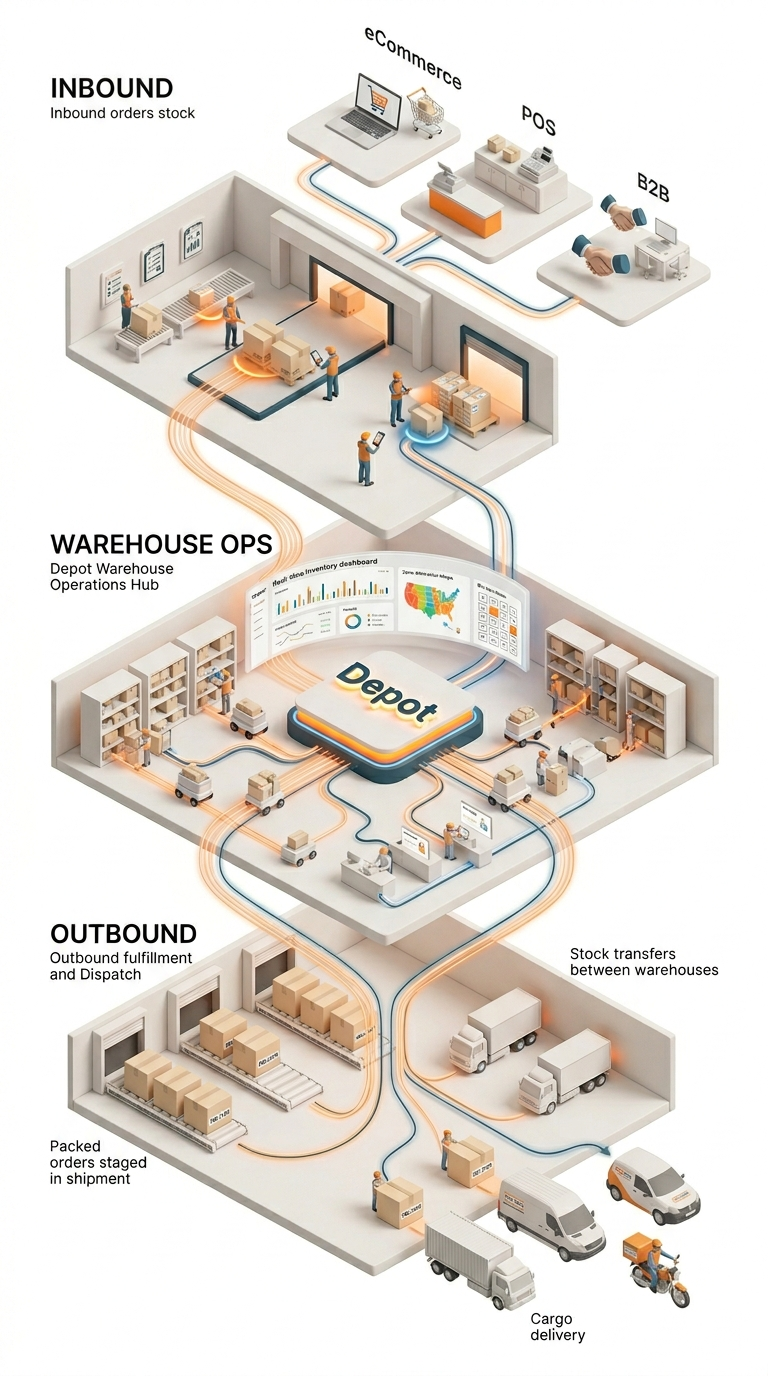
Depot is the warehouse and distribution platform by Illuminate Software Solutions. One committed dispatch plan runs the warehouse floor and the driver fleet simultaneously. Five concurrent capabilities: (1) Mobile WMS — scan-guided receiving at the dock, directed putaway to bin locations, order pick and batch pick from handheld devices, pack station with packaging optimisation, configured shipping screens for three scenarios (warehouse transfer, zone-based carrier, 3PL handover), cycle counting, and serial/batch/expiry tracking. (2) IoT and warehouse automation — picking robots receive tasks from Depot and return completion events that update inventory and fulfillment status in real time; sorting conveyors and automated lines receive routing instructions; light-directed picking (pick-to-light/put-to-light) for high-velocity zones; RFID readers capture item movements automatically; weighbridges and scanning stations attach physical measurement data to the Depot record; IoT-monitored operating hours trigger equipment maintenance and remove assets from the planning pool. (3) Intelligent dispatch and fulfillment engine — auto-planned from live fleet capability and orders; pick-by-time queue sequences the warehouse floor backwards from delivery window through transit time, departure time, loading window, and staging time; committed plan creates picking tasks and Cargo driver trips simultaneously. (4) Compliance rules engine and containerization — logistics tag system enforced at load planning time; exclusive loads; asset capability matching; multi-leg routing chains with bonded goods release event handling. (5) ML inventory intelligence and digital channel layer — demand forecasting (historical velocity, seasonal patterns, forward SO commitments); intelligent replenishment with rebate and freight optimisation; intelligent slotting using ABC velocity analysis and ML to minimise pick travel time; single live stock pool behind Shopify, WhatsApp, food delivery, and Kart B2B portal simultaneously. Two deployment modes: standalone WMS (full ERP sync with SAP, Dynamics, Oracle, NetSuite, Odoo) or digital channel layer on existing WMS. Platform connections: Flow SO → Depot FO automatic; Depot dispatch commit → Cargo trips automatic; Lyst catalog drives PO lines and UOM conversion; Tagz asset availability and IoT; Mrkt POS triggers replenishment in real time; Ryse shows fulfillment status on account records.

Trusted By
 

Replace your WMS — or build on top of it. Depot does both.

Standalone WMS: Depot replaces your existing system. Full bidirectional ERP sync (SAP, Dynamics, Oracle, NetSuite, Odoo). Every digital channel — Shopify, WhatsApp, food delivery, B2B portal — draws from the same live Depot stock pool. One source of truth across your warehouse, your fleet, and every channel you sell through.

Digital channel layer: Keep your current WMS exactly as it is. Depot reads live stock and opens Shopify, WhatsApp, food delivery, and B2B commerce on top of it — without touching physical operations. Your warehouse floor doesn't change. Your digital business does.

No competitor offers both. For businesses that want to grow digital channels without a WMS migration, the second mode is the only option in the market at this level of integration.

Book a Demo

Every capability runs simultaneously.
No modules. No integration overhead.

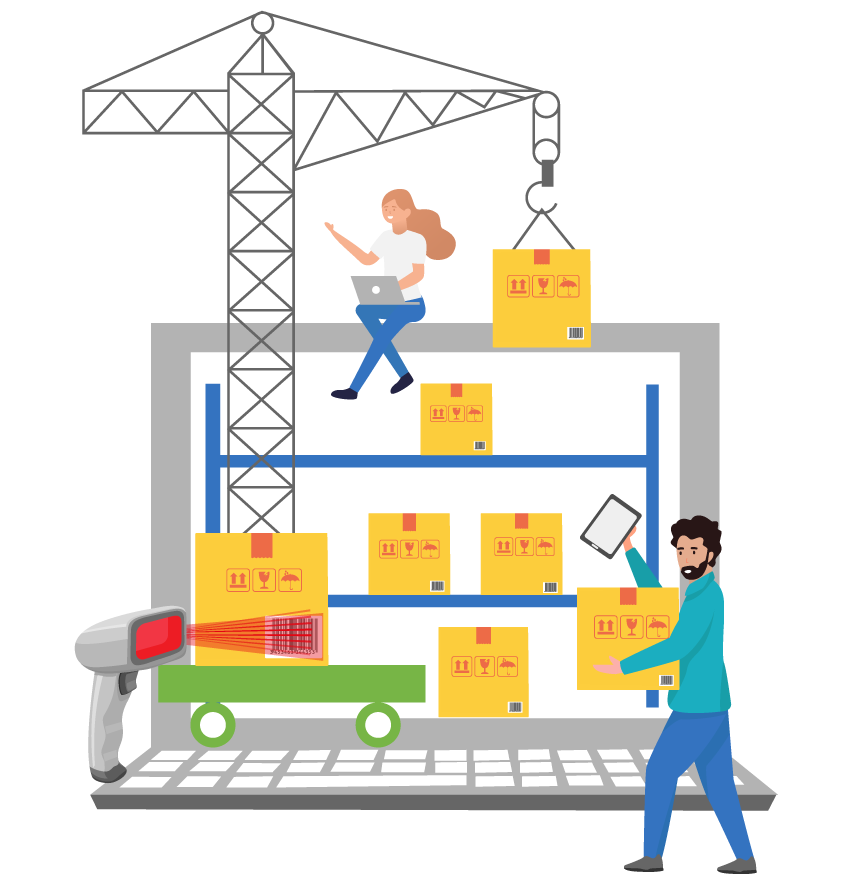
One platform. One committed plan. Five systems running at once on the same data — with no handoffs between them.

Mobile Warehouse Operations

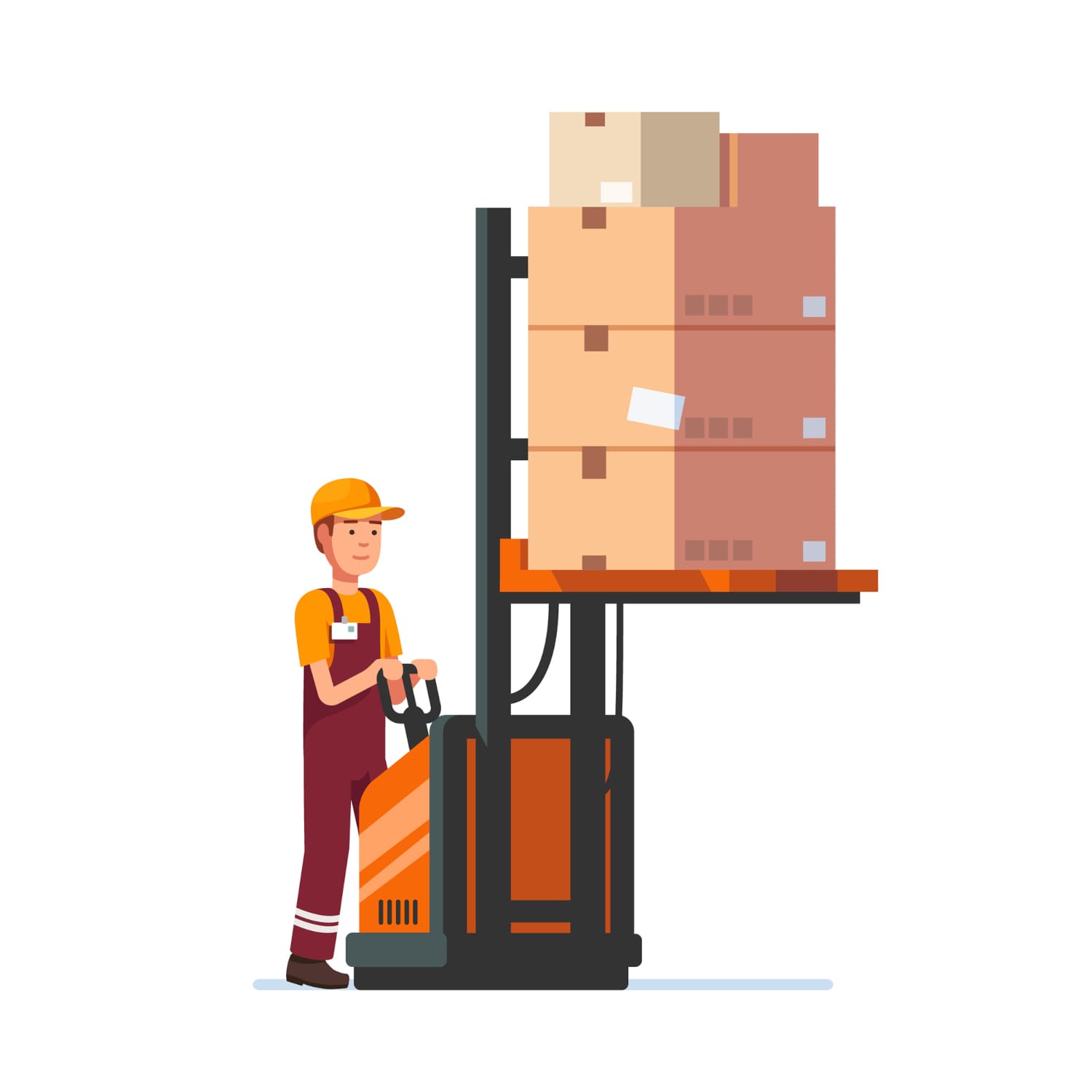
Scan-guided receiving, directed putaway, batch pick, pack station, and shipping — every step on a handheld device. New employees pick correctly from day one.

IoT & Warehouse Automation

Picking robots, light-directed picking, RFID, sorting conveyors, and weighbridges — all orchestrated through Depot. Human and robotic operatives work from the same task queue.

Intelligent Dispatch & Fulfillment

One committed dispatch plan creates the warehouse picking queue and the driver trips simultaneously. Pick-by-time sequencing ensures the right picks surface at the right moment.

Compliance & Containerization

Logistics tag rules enforced before any load commits — food, chemical, frozen, exclusive loads. Mid-mile containerization with full routing chain visibility from port to final destination.

ML Inventory & Digital Channels

Demand forecasting, intelligent slotting, and automated replenishment. One live stock pool behind every digital channel — no per-channel counts, no reconciliation.

Depot mobile warehouse operations — scan-guided picking and receiving on handheld devices

Your entire warehouse runs from a handheld device.

No printed pick lists. No clipboards. No reliance on veterans who know where everything is. Depot guides every operative through every step on a scanner or mobile device. The system carries the knowledge. Operatives follow the screen. A new hire picks correctly, packs correctly, and ships correctly from day one.

Scan-guided receiving

Scan at the dock, verify against the PO line by line, flag discrepancies, capture serial or batch numbers, and trigger directed putaway — all from a handheld. Every receipt updates inventory, COGS (weighted average), and the supplier record instantly.

Directed putaway

Depot tells the operative exactly which bin to put it in — based on slotting rules, velocity data, and zone configuration. No guessing, no tribal knowledge. Goods land where they should from the first day of operation.

Order pick & batch pick

Single-order and batch pick modes run from the same device. The system builds optimised pick paths that reduce travel distance. Scan-to-confirm at every item. Zero pick errors from misread handwriting or wrong location.

Intelligent pack station

At the pack station, Depot selects the optimal carton from item dimensions, weights, and fragility rules. Carton-level scanning closes the fulfillment record. Labels print with carrier data populated automatically from the dispatch plan.

See Mobile Operations

Robots, RFID, and conveyors. Depot orchestrates all of it.

Your automation investment only delivers if the software behind it knows what to do, when to do it, and what happened as a result. Depot sends instructions to automated systems and receives confirmation back — closing the loop on every movement without human intervention.

Picking robots

Depot sends pick task lists to AMRs and picking robots. Robots return completion events that update inventory positions and fulfillment status in real time. Human operatives and robotic systems work from the same queue — whichever reaches the item first, the record closes.

Light-directed picking

Pick-to-light and put-to-light systems receive their sequence from Depot. Lights illuminate when the operative reaches the correct location. Confirmation button pressed — pick confirmed in Depot instantly. Ideal for high-velocity zones where speed and accuracy must coexist.

RFID tracking

RFID readers at dock doors, zone transitions, and dispatch bays capture item and pallet movements automatically — no scan required. Inventory positions update as goods move through the building. RFID confirmations feed the same Depot fulfillment record as manual scanning.

Sorting conveyors & automated lines

Conveyor systems receive routing instructions from Depot — directing parcels, totes, or garments to the correct destination lane. In laundry and sortation operations, Depot drives the conveyor logic. Confirmation events from the line close the movement record automatically.

Weighbridges & scanning stations

Weighbridges at goods-in and dispatch capture physical weight and dimensions at the point of movement. Data attaches to the Depot receipt or dispatch record automatically — no manual entry. Discrepancies between ordered and actual weight surface immediately at the dock.

IoT-triggered maintenance

Forklift operating hours, reach truck cycles, and conveyor run-time are monitored through Tagz IoT. When thresholds are hit, maintenance is triggered automatically and the asset is removed from the Depot planning pool. No dispatcher accidentally assigns a forklift due for service.

The right stock in the right location. ML keeps it there.

Most warehouses are organised once at go-live and never touched again. Over time, fast movers end up at the back. Items that ship together are on opposite sides of the building. Pick paths grow longer without anyone noticing. Depot solves this continuously — not as a one-off project.

Rack, bin, and aisle configuration

Full warehouse mapping — aisles, racks, shelves, bins, bulk zones, picking zones, staging areas, dispatch bays. Every location configured once and used by directed putaway, pick routing, and cycle count scheduling from that point forward.

ABC velocity analysis

Depot classifies every SKU by pick frequency — A (daily), B (weekly), C (slow-moving) — and maps the result against current bin locations. A items near dispatch. C items at height or distance. The gap between current layout and optimal layout is always visible.

ML-driven slotting optimisation

Beyond A/B/C: ML identifies which items are frequently co-picked and slots them adjacent to each other. Items that travel together on the same orders — and therefore the same pick path — are placed to minimise aisle transitions. Slotting proposals update as demand patterns shift.

Optimised pick paths

Pick lists are sequenced to minimise travel distance — not generated in order entry order. Batch pick paths are calculated across the warehouse to collect all required items in the fewest steps. The result is measurable: fewer aisle passes, shorter pick times, more picks per hour.

See Warehouse Organisation
Depot intelligent warehouse organisation — bin locations, velocity analysis, and slotting optimisation

Commit once. The warehouse and the fleet move together.

Depot reads your orders and your live fleet, evaluates compliance, zones, and capacity automatically, and builds the plan. You review, adjust the exceptions, and commit. That single action creates the warehouse picking queue and the Cargo driver trips at the same time — no spreadsheet, no coordinator briefing, no risk of version drift.

Auto-planned from fleet and orders

Every order evaluated against every available asset — compliance tag matching, zone-based stop grouping, capacity optimisation, vehicle-to-order matching — all automatic. The plan arrives ready to review, not ready to build.

Pick-by-time queue

Working backwards from each delivery window: transit time, departure, loading, staging. Every pick gets a deadline. The queue surfaces the most time-critical picks first. An early-run order always outranks a later-run order, regardless of when it was entered.

One commit — warehouse & road

Committing the plan creates the Depot picking queue and the Cargo driver trips simultaneously. Drivers see their routes, stops, and delivery contacts in the Cargo app before the first vehicle leaves. The plan the warehouse works from and the plan the drivers carry are identical.

Live status end-to-end

Driver progress in Cargo is visible from the Depot dispatch view. Delivery confirmation closes the Depot fulfillment order and the Flow sales order automatically. The full chain — SO to pick to dispatch to POD — is one connected process. No one updates a status manually.

See Dispatch Planning
Depot dispatch planning — auto-generated vehicle runs, stop sequences, and live fleet status
Depot compliance rules engine and load planning

A load that breaks a rule cannot leave the system.

Compliance failures happen when the rules live in a document, not in the system. Depot enforces them automatically at load planning time — before any stock is moved. A plan that violates a rule cannot be committed. The problem is caught in software, not at the dock, regardless of who is planning or how busy the operation is.

Logistics tag rules engine

Item tags classify goods — food, chemical, frozen, pharmaceutical, hazardous. Asset tags classify vehicle capabilities — refrigerated, hazmat-certified, ambient. Rules define incompatible combinations. Business users configure rules; no IT specialist required.

Exclusive loads enforced by the system

Items requiring dedicated transport — controlled substances, high-value cargo, specific pharmaceutical categories — are marked exclusive. The load shows as full to all other assignments even when physical space remains. Not a warning. A hard block.

Containerization & capability matching

Mid-mile load planning evaluates weight, CBM, and capability tags against live Tagz fleet data simultaneously. Assets in maintenance are excluded from the planning pool automatically. No compliant vehicle means no committed load — the plan waits.

Multi-leg routing chains

Port-to-warehouse-to-downstream chains with live inventory visibility at every leg. Bonded goods release events trigger the next movement. A delay at any leg propagates to the downstream plan automatically. In-transit stock never disappears from the inventory picture.

Start Free Trial

Always know what you have, what's committed, and what you need to order.

Depot's inventory layer is not a ledger. It is a live picture of on-hand stock, committed stock with actual SO references, inbound stock with expected arrival dates, and demand projections — updated continuously so purchasing is always proactive.

SO-level
allocation — see exactly which order is holding each unit
3-way
inventory view — on-hand + committed + inbound simultaneously
Weighted
average COGS — updated at every receipt, flows to P&L automatically
Continuous
demand forecast — updated as velocity, season, and SOs change

Demand forecasting with ML

Depot analyses historical velocity, seasonal patterns, and forward sales order commitments. The forecast updates continuously — not recalculated weekly from a spreadsheet. Purchasing proposals are generated against the forecast, not triggered only when stock runs out.

Intelligent replenishment

Automated PO proposals for approval. Multi-factor analysis across supplier lead times, MOQs, safety stock, and live demand. Transfer orders to downstream warehouses generated from the same engine. Replenishment triggers across your entire network, not just individual locations.

Rebate optimisation

Consolidates open replenishment requirements across SKUs to hit supplier rebate thresholds. The commercial value unlocked by consolidation is shown at the approval step — the buyer understands why, not just what to approve.

Freight optimisation

Evaluates whether ordering to fill a full pallet or trailer produces a net saving over the carrying cost of extra stock. Shows the full calculation at PO approval. Orders are commercially optimised, not just quantity-accurate.

Every channel. One live stock pool. No reconciliation.

Shopify, WhatsApp, food delivery, and your B2B portal all draw from the same Depot stock position in real time. A sale on any channel reduces the same number. No per-channel ring-fencing, no nightly sync, no drift between what your channels show and what your warehouse holds.

One stock pool, every channel

Every connected channel — Shopify, WhatsApp commerce, food delivery platforms, Kart B2B portal — draws from the same live Depot stock position. A sale anywhere reduces the same number immediately. No channel can ever oversell what another channel already sold.

Open digital channels without replacing your WMS

Depot's digital channel layer mode reads live stock from your existing WMS and opens new digital channels on top of it. Your warehouse floor stays the same. Your Shopify store, WhatsApp ordering, and B2B portal open on top of it. No migration, no disruption.

Van sales & mobile warehouses

Van sales, refrigerated trailers, and pop-up locations operate as mobile warehouses. Stock allocated from the parent warehouse, tracked separately during the run, and reconciled on return. Van sales combine the mobile warehouse with Mrkt POS on the same device.

UOM exchange — buy, stock, sell in different units

Buy from suppliers in pallets or outers. Stock in eaches or cases. Sell to customers in the unit they order in. Conversion is automatic at every step — receiving, putaway, picking, invoicing. No manual conversion, no margin for error.

See Digital Channels
Depot digital channel inventory — live stock pool behind Shopify, WhatsApp, food delivery, and B2B portal

The deployment model no other WMS offers

Every traditional WMS requires a full replacement project before a single new digital channel can open. Depot's digital channel layer mode sits on top of the WMS you are keeping and opens Shopify, WhatsApp, food delivery, and B2B portal channels — without touching physical warehouse operations, without a WMS migration, and without the multi-month implementation that comes with one. For a business that wants to sell through new digital channels without disrupting its existing warehouse, this capability does not exist elsewhere at this level of integration.

Every Illuminate product removes a boundary from your warehouse.

A standalone WMS creates permanent integration overhead — between the WMS and your order system, carrier, asset register, and digital channels. Depot is already connected to all of them.

Depot Flow

Sales orders become fulfillment orders — automatically

A Flow sales order creates a Depot fulfillment order without any manual step. Delivery confirmation closes both. The full chain — SO to pick to dispatch to POD — is one connected process with no rekey and no handoff.

Learn about Flow →
Depot Cargo

One committed plan creates picking tasks and driver trips

Committing the Depot dispatch plan creates the warehouse picking queue and the Cargo driver trips at the same moment. No coordinator briefing. No separate manifest. No version drift. The warehouse and the road work from the same plan.

Learn about Cargo →
Depot Lyst

Product catalogue drives PO lines, UOM conversion, and compliance tags

The Lyst product catalogue provides item compliance tags, UOM definitions for the procurement chain, and the product master behind every fulfillment and transfer operation. Buy in pallets, stock in eaches, sell in cases — every conversion is automatic.

Learn about Lyst →
Depot Tagz

Live fleet, IoT sensors, and warehouse automation in one layer

Tagz provides live fleet availability to Depot dispatch planning. Picking robots, light-directed systems, RFID readers, conveyors, and weighbridges all connect through Tagz. IoT-monitored hours trigger maintenance and pull assets from the planning pool automatically.

Learn about Tagz →
Depot Mrkt

POS sales update stock and trigger replenishment instantly

Mrkt POS transactions reduce Depot stock immediately and feed the replenishment engine in real time. The demand picture is always based on the current rate of sale. Replenishment proposals reflect what is selling today, not a weekly report.

Learn about Mrkt →
Depot Ryse

Fulfilment status and stock issues visible on every account

Stock issues surface on the Ryse account record as they occur. Live fulfilment status — from pick to dispatch to delivery — is visible from the customer or supplier record in Ryse. Service teams know what's happening before customers call to ask.

Learn about Ryse →

Depot vs. the alternatives

Enterprise WMS (Manhattan, Blue Yonder, Infor) costs seven figures and needs a specialist team to run.
Mid-market inventory tools (Cin7, Unleashed, Fishbowl) count stock — they don't manage warehouse operations.
Depot fills the gap: real warehouse management without enterprise complexity or cost.

Capability Depot Enterprise WMS
Manhattan, Blue Yonder, Infor
Mid-Market Inventory
Cin7, Unleashed, Fishbowl
Mobile warehouse operations
Scan-guided receiving, directed putaway & picking -
Batch pick with optimised pick paths -
Intelligent pack station with packaging optimisation -
Bin-level location management -
IoT & warehouse automation
Picking robots — tasks sent, completions returned to inventory -
Light-directed picking (pick-to-light / put-to-light) -
RFID readers update inventory without manual scanning -
Sorting conveyors receive routing instructions from WMS -
IoT-triggered equipment maintenance — asset removed from planning pool - -
Intelligent organisation & slotting
ABC velocity analysis mapped to bin locations -
ML slotting — co-picked items placed adjacent, pick paths minimised -
Continuous slotting proposals as demand patterns shift -
Dispatch & fulfillment
Intelligent auto-planning from live fleet and orders -
Pick-by-time sequencing from delivery window -
Dispatch commit creates driver trips — no separate step - -
Delivery confirmation closes SO and FO automatically - -
Compliance & containerization
Logistics tag rules — configured by business users, no IT required -
Plan cannot commit if a compliance rule is violated -
Exclusive loads enforced — capacity blocked even when space remains -
Multi-leg routing chains with bonded goods release events -
ML inventory & replenishment
Demand forecasting — velocity, seasonality, forward SO commitments -
Intelligent replenishment — automated PO proposals for approval
Rebate optimisation — consolidate to hit supplier thresholds - -
Freight optimisation — full pallet/trailer analysis at PO approval - -
SO-level allocation visibility — see which order holds each unit -
Digital channel enablement
Single live stock pool behind all digital channels simultaneously -
Digital channel layer — open new channels on your existing WMS - -
Shopify, WhatsApp, food delivery from one stock pool -
Platform connections (not available in any standalone WMS)
SO → FO automatic, delivery confirmation closes both (Flow) - -
Dispatch commit → Cargo driver trips automatic, no separate step - -
Fleet capability tags from Tagz live at planning time - -
POS sales trigger stock reduction and replenishment instantly (Mrkt) - -
Stock issues surface on CRM account records (Ryse) - -

◐ = available via specialist implementation, custom integration, or add-on at additional cost

Pricing

We believe in transparent pricing with a promise.

Standard

The complete Depot WMS for warehouse and distribution operations — mobile picking, dispatch planning, fulfillment engine, and bidirectional ERP sync from day one.

Per Named User
$35/mo
per user, per month
Start Free

Perfect For:

  • Distributors & wholesalers
  • 3PL operators
  • Food & beverage warehouses
  • Retail distribution centres
  • Businesses opening digital channels

What's included:

  • Mobile WMS — receive, putaway, pick, pack, ship
  • Intelligent dispatch planning
  • Fulfillment engine with pick-by-time
  • Inventory intelligence — on-hand, committed, inbound
  • Transfer orders & network replenishment
  • Compliance rules engine
  • ERP bidirectional sync
  • Digital channel inventory feed

Advanced

For operations with IoT and warehouse automation, intelligent slotting, containerization requirements, or digital channel layer deployment on an existing WMS.

Per Named User
$45/mo
per user, per month
Start Free

Perfect For:

  • Automated & robotics-enabled facilities
  • Port-to-DC-to-store supply chains
  • 3PLs with multi-client compliance
  • Digital channel layer deployments
  • Multi-country distribution networks

What's included:

  • Everything in Standard
  • IoT, robotics & automation connectivity
  • Light-directed picking & RFID
  • ML slotting optimisation
  • Containerization platform
  • Digital channel layer on existing WMS
  • Intelligent ordering — rebate & freight optimisation
  • Advanced analytics & BI reporting

Enterprise

For multi-country warehouse networks, bonded operators, and businesses that need enterprise-grade SLA, multi-region compliance configuration, and dedicated support.

Per Named User
Let's talk
custom pricing
Contact Us

Perfect For:

  • Multi-country warehouse networks
  • Bonded warehouse operators
  • High-volume 3PL & contract logistics
  • Custom SLA & uptime commitments
  • Full platform integration suite

What's included:

  • Everything in Advanced
  • Bonded warehouse & release event management
  • Multi-country compliance configuration
  • Dedicated account management
  • Custom SLA & support tiers
  • Tailored onboarding & training
  • Multi-region data handling
  • Executive business reviews

Discounts on every plan

  • Bundle discount when you subscribe to more than one Illuminate product
  • Volume discounts on slabs — the per-user rate decreases as your team grows
  • Annual prepayment discount for customers who commit upfront

Frequently asked questions

Everything you need to know about Depot before your first demo.

What is Depot?

Depot is the warehouse and distribution platform by Illuminate. One committed dispatch plan runs the warehouse floor and the driver fleet simultaneously. It covers mobile-guided operations, IoT and robotics connectivity, intelligent slotting, ML-driven inventory and replenishment, compliance enforcement, containerization, and a live stock pool behind every digital channel. Deploy as a standalone WMS or as a digital channel layer on your existing WMS.

What makes Depot different from a traditional WMS?

Traditional WMS products stop at the warehouse door. When a dispatch plan is committed in Depot, the warehouse picks and the driver trips are created at the same time — automatically. Every digital channel draws from the same live stock pool. Compliance is enforced before any load commits. Picking robots, RFID, and conveyors connect through Tagz. ML keeps your warehouse slotted for minimum pick time. And Depot can open new digital channels on top of a WMS you're keeping — without touching physical operations. No traditional WMS offers all of this natively.

What are the two deployment modes?

Depot deploys as a standalone WMS — replacing your existing system with full ERP sync — or as a digital channel layer on your current WMS. In digital channel layer mode, Depot reads live stock from your existing system and opens Shopify, WhatsApp, food delivery, and B2B portal channels without disrupting your warehouse floor. No competitor offers both deployment modes. For businesses that want to grow digital channels without a WMS migration project, the second mode is the only option at this level of integration.

How does Depot connect to robotics and IoT equipment?

Through the Tagz IoT layer. Picking robots receive task lists from Depot and return completion events that update inventory in real time. Light-directed picking systems receive sequences from Depot and confirm picks back. RFID readers at dock doors and zone transitions capture movements automatically. Sorting conveyors receive routing instructions. Weighbridges attach measurement data to the Depot record. IoT-monitored equipment hours trigger maintenance and pull assets from the planning pool automatically. Human and robotic operatives work from the same Depot task queue.

What is intelligent slotting and why does it matter?

Intelligent slotting determines where each SKU should live in your warehouse to minimise the time operatives spend walking between picks. Depot uses ABC velocity analysis to place fast-moving items close to dispatch and slow movers at depth or height. ML identifies which items are frequently co-picked and slots them adjacent. Batch pick paths are calculated to minimise aisle transitions. Slotting proposals update continuously as demand patterns shift — so your layout stays optimised without a manual reorganisation project. The result is measurable: fewer steps per pick, more picks per hour.

How does Depot keep inventory accurate with ML?

Depot maintains a three-way inventory picture: on-hand stock, committed stock with actual SO references (not just a total committed number), and inbound stock with expected arrival dates from transfer orders and purchase orders. Demand forecasting analyses historical velocity, seasonal patterns, and forward sales order commitments, updating continuously. Replenishment proposals are generated against the forecast — not triggered only when stock runs low. Intelligent ordering evaluates rebate thresholds and freight optimisation before each PO is approved.

How does compliance enforcement work?

Through a logistics tag system. Item tags classify goods — food, chemical, frozen, pharmaceutical, hazardous. Asset tags classify vehicle capabilities — refrigerated, hazmat-certified, ambient. Rules define what cannot be co-loaded and what capability is required. Every load plan is evaluated against every rule before it can be committed. A load that violates a rule cannot proceed — it is a hard block, not a warning. Exclusive load rules prevent restricted items from sharing a container even when physical space remains. Business users configure the rules; no IT involvement required.

What ERP systems does Depot integrate with?

Depot syncs bidirectionally with SAP, Dynamics 365, Oracle Fusion, NetSuite, and Odoo. Native platform connections — to Flow (orders), Cargo (delivery), Lyst (product catalogue), Tagz (assets and IoT), Mrkt (POS), and Ryse (CRM) — are part of the same platform and require no separate integration work.

How quickly can Depot go live?

Weeks, not months. Illuminate works directly with each client's operations team to configure the warehouse map, compliance rules, dispatch zones, integration connections, and user roles before go-live. For digital channel layer deployments, the WMS migration project is removed entirely — only the channel configuration and ERP read connections are required. Onboarding is operational translation as a service: your processes run correctly from day one.

Ready to run your warehouse on one committed plan?

Book a live demo and we will walk through your specific operation — your automation setup, your compliance requirements, the channels you sell through, and how Depot connects everything from dock to doorstep.

Request a Demo Start Free Trial

We'd love to hear from you!


Whether you have a question, feedback, or just want to say hi, please don't hesitate to contact us through the form below. We'll get back to you as soon as possible.

Phone: (+971) 58 524 3821
Whatsapp: (+971) 58 524 3821
Headquarters:
Dubai, United Arab Emirates

Locations:
Bangalore, India
Vancouver, Canada

We are social

WhatsApp